
Walking past Adelaide venues on a Saturday arvo, you see the same pull that keeps the sector ticking. I have spent years structuring Flutter International deals where commercial growth had to sit beside consumer protection, and that tension still shapes how I read the local scene. Gambling self exclusion pokies venues are not a marketing slogan; they are a practical boundary players set when the pace stops matching their life.
How venue exclusion actually works
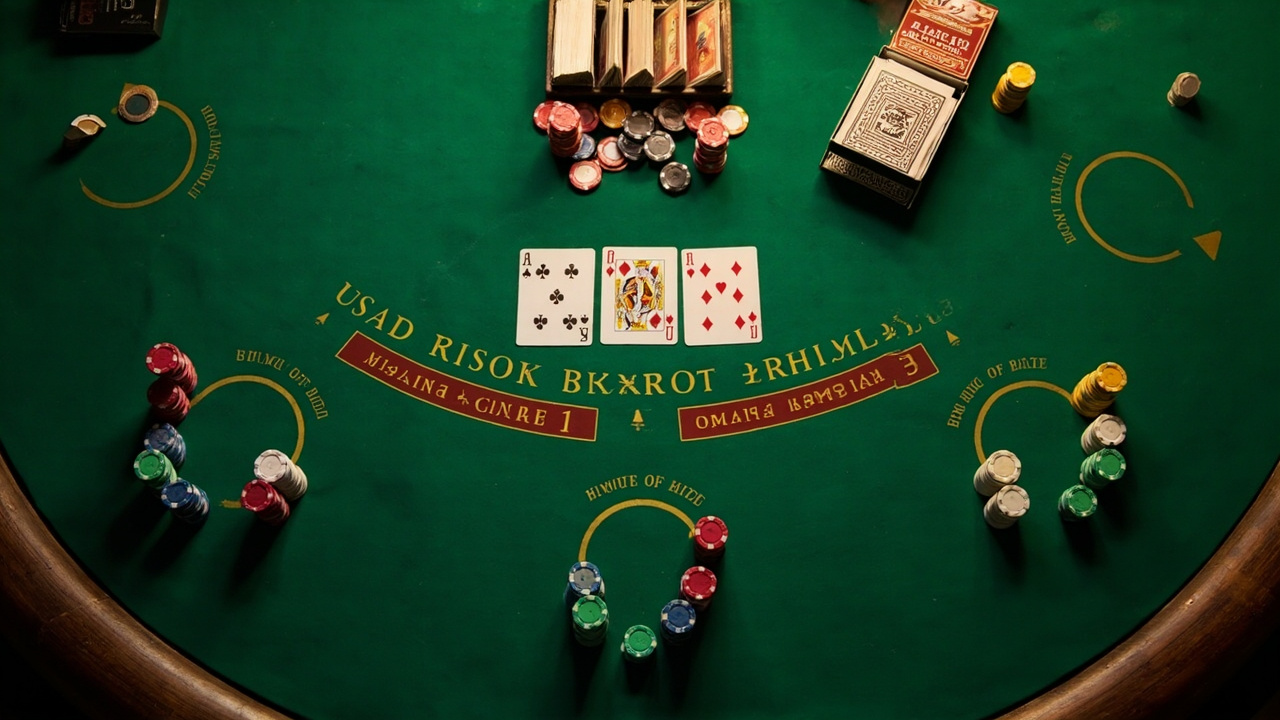
The register runs through state-based programs, and each licence holder must honour the listing before a machine is ever touched. A player lodges a request, the venue system flags the card or face, and access stops at that door. It feels straightforward until you realise exclusion is venue-specific unless you cross-register across jurisdictions.
- South Australia maintains its own exclusion list and venues must check it before play. Gambling Self Exclusion Australia Online And
- Multi-state registers exist, but a player still needs to confirm coverage at each location.
- Exclusion does not erase balances, so any credited funds usually need a separate withdrawal request.
That last point catches people out. I have seen corporate structures built around clean settlement flows, and the same discipline matters here: a self-exclusion flag is not a payout shortcut. If you have credits sitting on a ticket, you still follow the venue’s withdrawal process before the exclusion fully locks the door.
Reading the room on the floor
The physical layout tells you a lot before you ever sit down. A well-run floor keeps the machines visible from the entry, puts staff within reach, and avoids dark corners that make a quick session hard to track. When I assessed iGaming products for commercial rollout, we treated visibility and friction as features, not decoration, because both shape how long someone stays.
- Entry sightlines let you count machines and staff positions at a glance.
- Signage about limits and support needs to be readable without squinting.
- Staff training matters more than the carpet colour when someone asks for help.
One bloke I watched at a North Adelaide club spent twenty minutes just reading the help board because the print was too small and the lighting was flat. Another time, a venue near the Adelaide CBD had a clear limit-slip at each bank of machines, which made it easier to pause and reconsider before pressing another button. These are small details, but they change whether a room feels contained or open-ended.
Such quirks highlight why knowing where to look matters just as much as the game itself. For those seeking a different kind of online experience, https://sweetbonanza2500au.com/ provides a clear layout that avoids these physical hurdles. It is a reminder that clarity in design can change how people engage with the activity.
| Feature | What to look for | Why it matters |
|---|---|---|
| Entry visibility | Machines and staff visible from the door | Easier to gauge session length and support access |
| Signage | Clear limit and help notices at eye level | Reduces ambiguity when you want to stop |
| Staff presence | Staff near machine banks, not hidden behind counters | Faster help if you ask for a pause or exclusion info |
| Limit tools | On-screen or paper limit slips near the machines | Makes it easier to set a boundary before playing |
Who venue exclusion suits best
Venue-based exclusion works best for people who mostly play in person and want a hard stop at the door rather than a dashboard setting. It is also useful when you want a local, human point of contact instead of a chat window. If your play drifts across states or into online products, you need to check whether one listing covers everything or whether you need a broader arrangement.
- Best fit: regular land-based players who want a direct venue-level boundary.
- Less complete: players who split time between clubs, pubs, and online products.
- Follow-up: confirm any outstanding balance and withdrawal path before relying on the flag.
I would rather see someone set a firm boundary early than try to negotiate with their own habits mid-session. That judgement call comes from watching commercial products where the cleanest user journeys were the ones that respected limits upfront, not the ones that promised a later fix.
Keeping the boundary steady
Exclusion is one part of a wider habit check, not a silver fix. Some players pair it with smaller session limits, a friend who knows the plan, or a fixed cash amount left at home. Others use the venue flag as a reset after a rough patch, then revisit whether they want to return at all.
Online options sit alongside the venue route, and some people compare both before deciding which boundary fits their routine. You can read more on that side of the picture in this piece on gambling self exclusion Australia online and safer casino choices if you want to weigh the digital angle too. The key is picking a path you can actually maintain when the noise gets loud.
No one I have worked with ever called a limit easy on the day it mattered. The people who stuck with it were the ones who treated it like a business decision: clear terms, simple follow-through, and no wishful thinking about the next spin.