This guide explores how players approach roulette strategy, risk control, and structured betting systems in modern online casino environments. Instead of relying on luck alone, many players now focus on probability thinking, bankroll discipline, and controlled coverage methods to manage volatility more effectively.
Additionally, we will look at how faster gameplay in 2026 influences decision-making and why structured betting has become more important than ever.
For context and gameplay reference, here are two useful links:

Understanding Roulette Strategy Basics
Roulette operates on independent probability, meaning each spin has no memory of previous results. However, players still use structured systems to manage risk and session flow. This is not because the game becomes predictable, but because structured thinking helps reduce emotional decision-making.
Most common approaches include:
- Flat betting (consistent stake size)
- Coverage betting (spreading bets across multiple outcomes)
- Progressive betting (adjusting stakes after results)
Moreover, each method focuses more on managing variance than changing mathematical outcomes. In other words, strategies in roulette are about controlling how much you risk per spin rather than trying to predict winning numbers.
For example, a flat bettor might wager the same amount every spin regardless of wins or losses. This creates a stable rhythm and allows players to track performance more clearly. On the other hand, progressive bettors adjust stakes after each spin, often increasing bets after losses in an attempt to recover quickly. While this can sometimes create short bursts of success, it also increases exposure to risk during losing streaks.
Therefore, understanding the difference between control-based and escalation-based strategies is essential before choosing an approach.
Coverage Betting Systems Explained
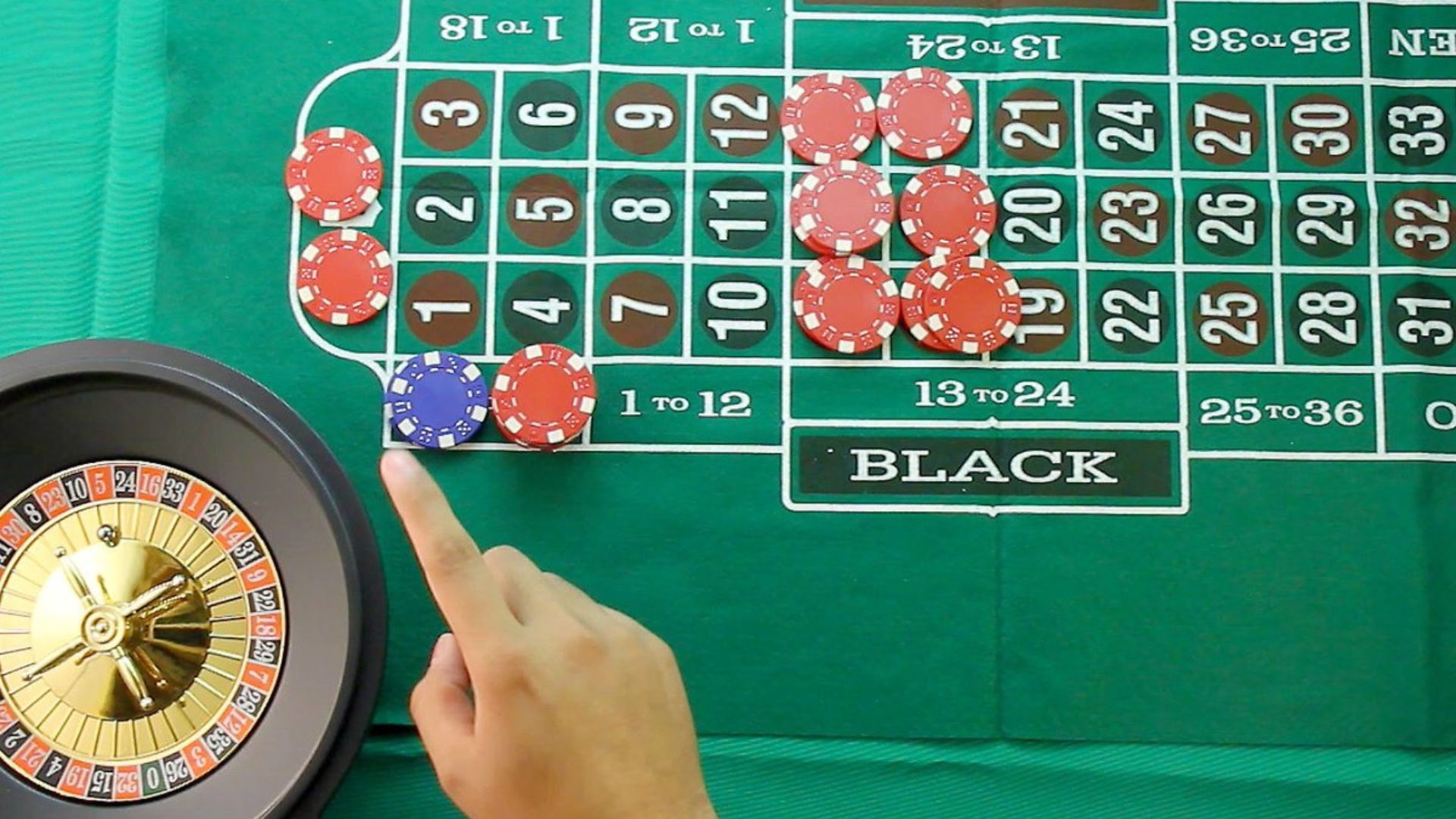
Coverage strategies aim to increase the number of possible winning outcomes per spin. Instead of focusing on a single number or small set of outcomes, players spread bets across broader sections of the roulette layout.
Typically, players spread bets across:
- High numbers (19–36)
- Mid-range clusters (13–24 or 10–20 depending on layout)
- Low-number sections (1–12)
As a result, wins occur more frequently, although payouts are usually smaller. This creates a trade-off between hit frequency and payout size.
However, while coverage improves hit rate, it does not eliminate house edge. It simply redistributes risk across more numbers. Therefore, even though players may feel more “active wins,” the long-term expectation remains unchanged.
Additionally, coverage systems often require higher total stake exposure per spin. For instance, instead of betting one unit, a player might distribute five or more units across different outcomes. This increases engagement but also accelerates bankroll usage if not carefully managed.
Moreover, coverage strategies tend to work best when combined with strict bankroll limits, since overextension can occur quickly without discipline.
Flat Betting vs Coverage Play
Flat betting remains one of the most stable approaches because it avoids stake escalation. It creates predictability in both wins and losses, which helps players maintain emotional balance.
Flat betting provides:
- Consistent bankroll usage
- Lower emotional pressure
- Predictable session length
Because stake size remains unchanged, players can easily calculate how long a bankroll will last under different conditions. This makes flat betting especially useful for beginners or those focused on long-term entertainment rather than aggressive growth.
In contrast, coverage systems offer:
- Higher frequency of small wins
- More dynamic betting structure
- Greater exposure per spin
Therefore, many players combine both methods depending on their risk tolerance. For example, a player might use flat betting as a base strategy but introduce coverage bets during short experimental phases.
Additionally, hybrid approaches often emerge naturally as players adjust their behavior based on results and session experience.
Probability and House Edge
Roulette outcomes remain random, but long-term expectation always favors the house. This is a core principle that does not change regardless of strategy.
Typical house edges include:
- European roulette: ~2.7%
- American roulette: ~5.26%
This difference matters significantly over time. Lower house edge games offer better long-term value, even though short-term results still vary widely. Therefore, choosing the right version of roulette becomes an important strategic decision.
Additionally, strategy cannot change probability—it can only shape exposure and volatility. This means that while players can influence how often they win or lose in the short term, they cannot alter the mathematical advantage held by the casino.
Moreover, understanding expected value helps players avoid unrealistic expectations. Even winning streaks do not change long-term probability outcomes.
Bankroll Management Fundamentals
Strong bankroll control is essential for any roulette strategy. Without it, even well-structured betting systems can fail quickly due to variance swings.
Common discipline rules include:
- Betting 1–2% of total bankroll per spin
- Setting strict loss limits
- Defining session time limits
Moreover, disciplined bankroll use reduces emotional decision-making, which is one of the biggest causes of losses in roulette. When players exceed their limits or chase losses, they often increase risk exposure at the worst possible time.
Additionally, bankroll segmentation—dividing funds into separate sessions—helps maintain control. This ensures that one losing session does not compromise the entire bankroll.
Fast Play and Multi-Table Environments
Modern roulette platforms allow faster spin cycles and sometimes multiple tables at once. This dramatically changes how players interact with the game.
This creates:
- Faster decision-making pressure
- Higher spin volume per session
- Increased risk of overexposure
Therefore, players must adjust stake sizes or reduce table count to maintain control. Without adjustment, faster environments can drain bankrolls much more quickly than traditional slower formats.
Additionally, faster gameplay amplifies both winning and losing streaks. This means results feel more intense, even though underlying probability remains unchanged.
Moreover, multi-table play increases cognitive load. Managing multiple outcomes simultaneously can lead to mistakes, emotional decisions, and inconsistent betting behavior.
Common Mistakes in Roulette Play
Many players lose consistency due to avoidable errors such as:
- Increasing bets after losses
- Ignoring bankroll limits
- Playing too many tables simultaneously
- Using complex systems without discipline
Furthermore, emotional reactions often create more damage than the actual betting system used. Even a statistically sound strategy can fail if applied inconsistently or under emotional pressure.
Additionally, overconfidence after short winning streaks can lead to unnecessary risk escalation, which often reverses gains quickly.
Responsible Play and Strategy Control
A structured approach always performs better over time than emotional betting. Consistency and discipline remain the strongest predictors of long-term control.
Responsible players typically:
- Set fixed session budgets
- Use consistent stake sizes
- Apply stop-loss and stop-win rules
Moreover, discipline ensures that variance does not lead to uncontrolled bankroll loss. It also helps players maintain a healthier relationship with gameplay by removing emotional dependency on outcomes.
Additionally, taking breaks between sessions helps reset decision-making patterns and reduces fatigue-driven mistakes.
Final Thoughts
Roulette strategy is best understood as risk management rather than prediction. The game remains fundamentally random, but player behavior determines how that randomness impacts bankrolls over time.
Key insights include:
- Coverage systems increase win frequency but not profit guarantee
- Flat betting reduces volatility
- Bankroll control determines long-term stability
- Faster environments require stricter discipline
Ultimately, success in roulette depends on structure, patience, and consistent decision-making—not short-term outcomes. Players who understand this distinction tend to maintain longer sessions, fewer emotional mistakes, and more controlled risk exposure.
Author
Written by Winfred